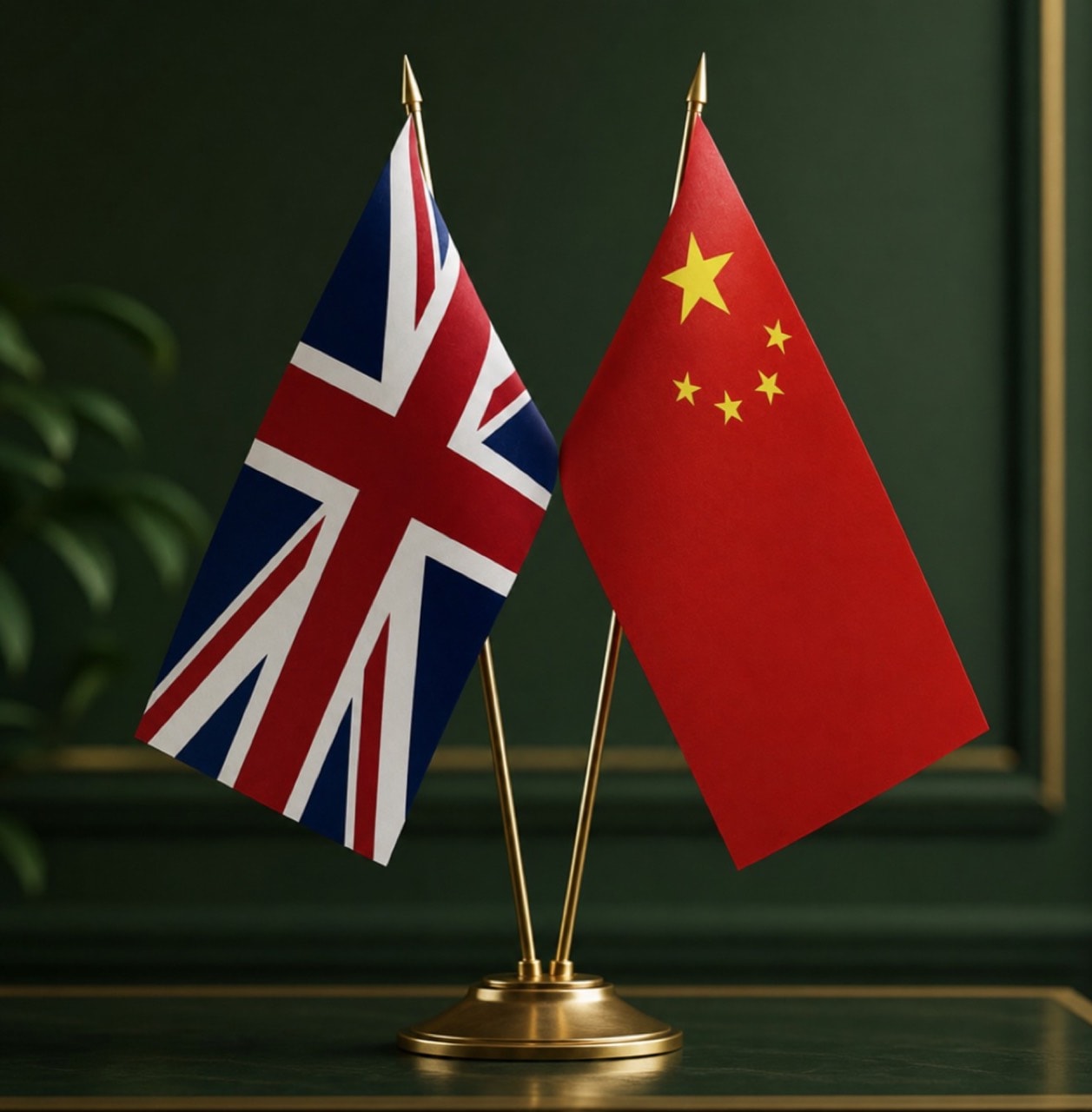
Prime Minister Keir Starmer’s visit to China from 28 to 31 January 2026 gave the UK alcohol industry a clear example of how targeted diplomacy can improve market access. GOV.UK said it was the first UK Prime Ministerial visit to China in eight years and concluded with £2.2 billion in export deals, around £2.3 billion in potential market access wins over five years, and hundreds of millions of pounds in investment.1,2
The whisky tariff cut
The key alcohol-sector outcome was China’s decision to cut whisky import tariffs from 10% to 5%. GOV.UK estimated the measure would be worth £250 million to the UK economy over five years and would help Scottish distillers compete more effectively in China.3 The Customs Tariff Commission of China’s State Council confirmed that, from 2 February 2026, whisky under tariff heading 22083000 would carry a 5% provisional import tariff rate.4
Why this matters for Scotch Whisky
This matters because China remains an important premium market for Scotch Whisky. The Scotch Whisky Association welcomed the tariff reduction and said it had the potential to re-energise Scotch exports, while GOV.UK’s trade factsheet also noted protection for lot codes, supporting secure sales into China.5,6 SWA export data shows China accounted for £161 million of Scotch Whisky exports in 2025, with 34 million 70cl bottles shipped.7
What it means for the UK alcohol sector
For the UK alcohol industry, particularly whisky and the wider spirits supply chain, the measure offers a stronger platform for competitiveness and long-term export market access. It also shows how practical international engagement can reduce trade barriers and support British producers in strategically important overseas markets.
Primary Sources
UK Government factsheet on the trade and investment outcomes of the visit
https://www.gov.uk/government/publications/prime-minister-visit-to-china-trade-and-investment-factsheet/prime-minister-visit-to-china-trade-and-investment-factsheetUK Government news release summarising deals secured during the visit
https://www.gov.uk/government/news/billions-in-exports-and-investment-deals-secured-as-pm-concludes-visit-to-chinaUK Government release detailing the Scotch whisky tariff reduction and its value
https://www.gov.uk/government/news/prime-minister-secures-scotch-whisky-tariff-cut-in-china-worth-250-millionOfficial Chinese notice setting the 5% provisional whisky import tariff under heading 22083000
https://gss.mof.gov.cn/gzdt/zhengcefabu/202601/t20260130_3982984.htmScotch Whisky Association industry response to the tariff cut
https://www.scotch-whisky.org.uk/newsroom/tariff-on-scotch-whisky-to-china-halved-to-5/Market access provisions including lot code protection for Scotch Whisky
https://www.gov.uk/government/publications/prime-minister-visit-to-china-trade-and-investment-factsheet/prime-minister-visit-to-china-trade-and-investment-factsheetSWA 2025 export volume and value data including the China market
https://www.scotch-whisky.org.uk/newsroom/2025-export-figures/Disclaimer. This article reflects Alcohol Ltd’s own views and analysis of publicly available information at the time of publication. It is provided for general industry information and does not constitute legal, regulatory, tax, financial or other professional advice. Policy positions, statutory references and external data may change without notice; readers should obtain independent professional advice before acting on anything published here. External links are provided for reference; Alcohol Ltd is not responsible for the content of third-party websites.
Corrections & complaints. If you believe this article contains a factual inaccuracy or has caused you harm, please raise it via our complaints procedure. Material updates and corrections are recorded in the corrections log. Editorial enquiries can be sent to policy@alcohol.co.uk.